
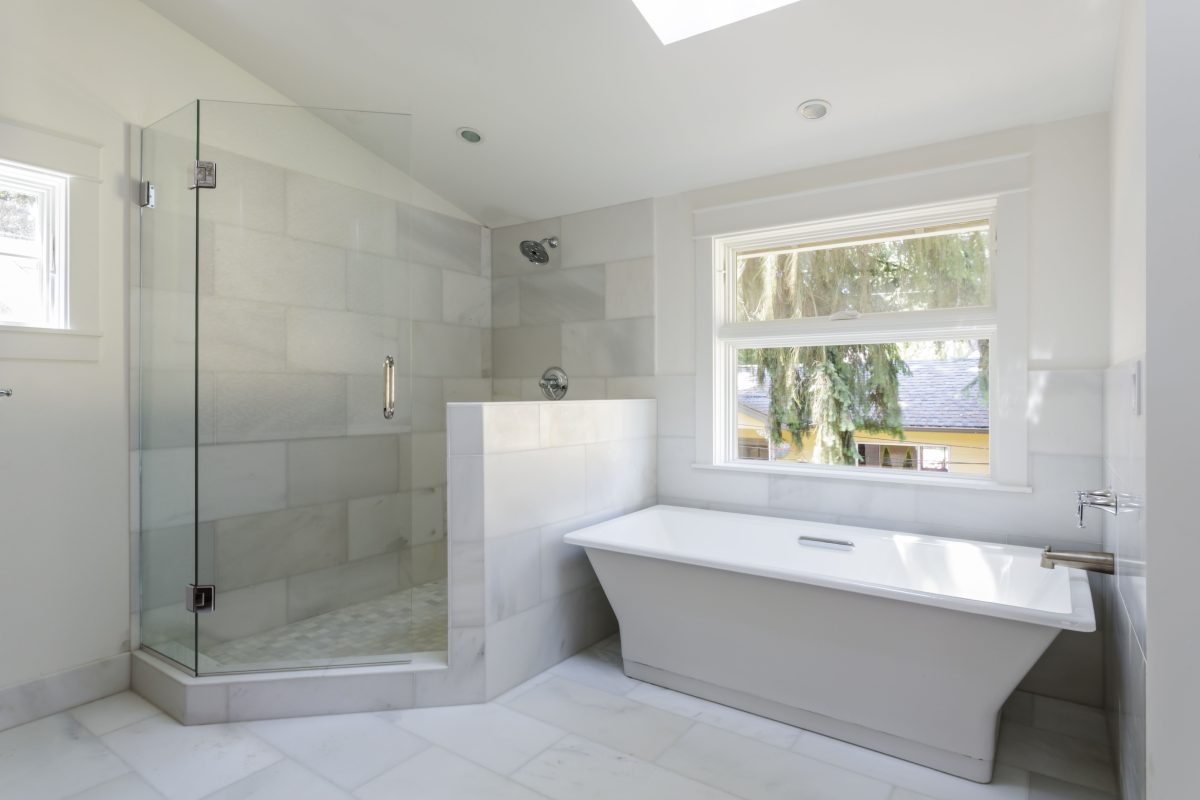
Upgrading an outdated bathroom fixture often serves as the cornerstone of broader residential renovation projects. Homeowners embarking on a bathtub replacement quickly discover that total project expenses depend on numerous interconnected factors. From baseline material selections to complex plumbing alterations, understanding these variables ensures better financial preparation.
Beyond the basic tub unit, labor costs, structural adjustments, and custom tile finishes heavily influence overall expenditures. According to NAHB, looking ahead, residential remodeling activity is expected to increase 3% in 2026 and an additional 2% in 2027 in inflation-adjusted terms. Evaluating every cost driver helps homeowners make informed decisions during their bathtub replacement endeavors.
Selecting Basin Materials With Varied Production Standards
Material choices represent a major variable when estimating total project expenditures. Standard fiberglass or acrylic units remain affordable options due to lightweight manufacturing processes and straightforward shipping requirements. Conversely, luxury materials like cast iron, natural stone, or copper demand significantly higher investments due to raw component pricing and specialized manufacturing techniques.
Heavier materials also increase shipping fees and require enhanced structural support during installation. Additionally, high-end composite materials provide superior heat retention and durability, which naturally commands premium market pricing. Homeowners selecting their new basin must weigh initial product expenses against long-term durability to determine the best overall value for their specific remodeling budget.
Assessing Removal Expenses Through Demolition Preparation
Removing an existing fixture involves labor, site protection, and proper waste disposal procedures. Straightforward removal of lightweight acrylic tubs requires minimal time, keeping initial demolition expenses relatively low. However, removing heavy cast iron or deeply embedded tile-surround units demands intensive labor, specialized tools, and additional crew members.
Demolition crews must carefully protect adjacent flooring, vanity cabinets, and existing drywall from accidental damage during removal. Disposing of heavy debris at local waste facilities introduces additional tipping and haul-away fees. Preparing the site cleanly ensures that subsequent installation steps proceed smoothly, making demolition complexity a key contributor to overall renovation project pricing.
Modifying Underlying Plumbing With Professional Mechanics
Existing plumbing configurations directly dictate the technical complexity of any fixture installation. Replacing a tub with an identical model that utilizes existing drain placements and faucet lines keeps mechanical labor expenses minimal. However, reconfiguring supply lines, moving drain locations, or upgrading old galvanized piping to modern copper or PEX lines raises installation costs.
Installing high-end whirlpool jets, thermostatic valves, or wall-mounted filler spouts requires extensive plumbing revisions behind finished walls. Licensed plumbers must ensure all new pipework complies with local building codes and pressure standards. These essential mechanical adjustments represent a major portion of overall installation labor charges.
Reinforcing Floor Structures Through Subfloor Engineering
Heavy fixtures filled with water and an occupant place immense weight upon underlying floor joists. In a bathtub replacement, installing heavy cast iron or natural stone units often requires structural subfloor reinforcement before final placement. Carpenter labor and structural materials add to the overall bathtub replacement expenses, especially in older homes with aged framing.
If previous water leaks damaged the existing subfloor, contractors must remove decayed wood and install fresh plywood underlayment. Neglecting structural integrity risks sagging floors, cracked tile surround, and long-term plumbing leaks. Factoring in potential structural repairs ensures that the bathroom floor safely supports the new fixture for decades.
Choosing Custom Surround Walls With Detailed Tile Work
Surround materials installed around the bathing basin significantly impact final visual appeal and overall costs. Simple prefabricated acrylic wall surrounds offer quick installation and budget-friendly pricing for practical utility spaces. Choosing custom ceramic, porcelain, or natural stone tile surround demands meticulous surface preparation, waterproof backing boards, and extensive hand labor.
Complex tile patterns, mosaic accent bands, and integrated storage niches further increase labor time and material expenses. Additionally, high-quality waterproofing membranes and premium grouts add to the project total. Selecting custom tile surrounds transforms the bathing area visually while shifting overall renovation costs toward higher brackets.
Evaluating Bathtub Dimensions With Spatial Architecture
Standard alcove basins fit neatly into pre-existing three-wall pockets, minimizing custom carpentry work during installation. Choosing oversized soaking basins, freestanding vessels, or custom-shaped models requires expanding surrounding alcove spaces or modifying layout boundaries. Expanding space requires re-framing interior walls, relocating electrical outlets, and extending finished flooring into newly exposed areas.
Larger fixtures also require increased volume capacity from hot water heaters, potentially prompting secondary mechanical equipment upgrades. When a homeowner selects non-standard dimensions for a bathtub replacement, spatial modifications inevitably expand both material needs and general labor hours required to complete the installation cleanly.
Integrating Luxury Accessories Through Custom Upgrades
Customizing a bathing space with premium features alters initial financial estimates significantly. Standard drain kits and basic chrome faucets keep accessory costs low, whereas designer brushed-brass fixtures or frameless glass enclosures elevate expenses. Adding integrated heating elements, chromatherapy lighting, or digital shower controls involves specialized electrical work alongside plumbing installations.
Built-in grab bars, slip-resistant textured bottoms, and comfortable built-in seating add functional value while modestly affecting unit pricing. Custom glass shower doors require precise measuring and custom fabrication, costing far more than standard curtain rods. Incorporating these tailored enhancements creates a spa-like environment while steadily raising total project expenditures.
Securing Municipal Permits Through Official Inspections
Permit fees and municipal building code requirements represent unavoidable administrative costs during major bathroom renovations. Local building departments require formal permits for plumbing relocations, structural framing changes, and electrical updates. Obtaining official permits ensures that all construction work meets current safety regulations and municipal building standards.
Inspection visits by municipal officials require contractors to pause work at specific milestones, potentially extending overall project timelines slightly. Professional contractors include permit application management and compliance fees in their comprehensive project estimates. Adhering to local permitting processes protects property value and ensures safe, legal construction execution throughout the entire renovation.
Addressing Hidden Moisture Damage Through Water Remediation
Uncovering hidden water damage behind old wall surrounds remains a common scenario during demolition. Long-term moisture intrusion from leaking valves or cracked tile grout rots wood framing, degrades drywall, and promotes hidden mold growth. Fixing these potential scenarios requires replacing rotted studs, applying specialized antimicrobial treatments, and installing mold-resistant cement boards before installing new fixtures.
Addressing these underlying issues prevents future structural failures, though it introduces unexpected labor and material expenses to the initial project baseline. Professional contractors build contingency allowances into estimates to cover hidden remediation work, ensuring the surrounding wall structure remains dry, sturdy, and sanitary long after completion.
Hiring Licensed Tradespeople Through Expert Labor Allocation
Labor rates vary significantly based on contractor experience, regional market dynamics, and trade licensing requirements. Hiring licensed plumbers, electricians, and master tilers ensures precise execution, preventing costly installation mistakes or code violations. Experienced contractors manage project timelines efficiently, coordinate specialized subcontractors, and handle material logistics smoothly.
While utilizing skilled trade labor increases upfront project costs compared to unverified labor, high-quality workmanship protects the long-term value of the home. Professional installation guarantees proper drain sealing, secure structural placement, and flawless wall finishing. Quality labor investment ensures that the new fixture operates reliably without requiring premature repair services.
Upgrading a worn bathing space alters a home’s aesthetic appeal while influencing overall real estate value positively. Executing a planned bathtub replacement replaces outdated fixtures with modern, energy-efficient, and easy-to-clean alternatives that appeal to prospective buyers.
Higher-grade materials and professional installation methods reduce long-term maintenance requirements, saving homeowners money on ongoing repairs over time. Modern fixtures also improve water efficiency, lowering monthly utility costs throughout daily operation. Beyond financial returns, a well-designed bathing space elevates daily comfort, personal wellness, and domestic convenience.
Comprehensive planning allows homeowners to balance initial renovation costs against lasting property value enhancement, achieving a successful home transformation. Are you considering a bathtub replacement for your home in the Boise, ID area? Custom Bath Solutions is ready to turn your dream bathroom into reality! Call today to receive a free estimate for your next service project!
