
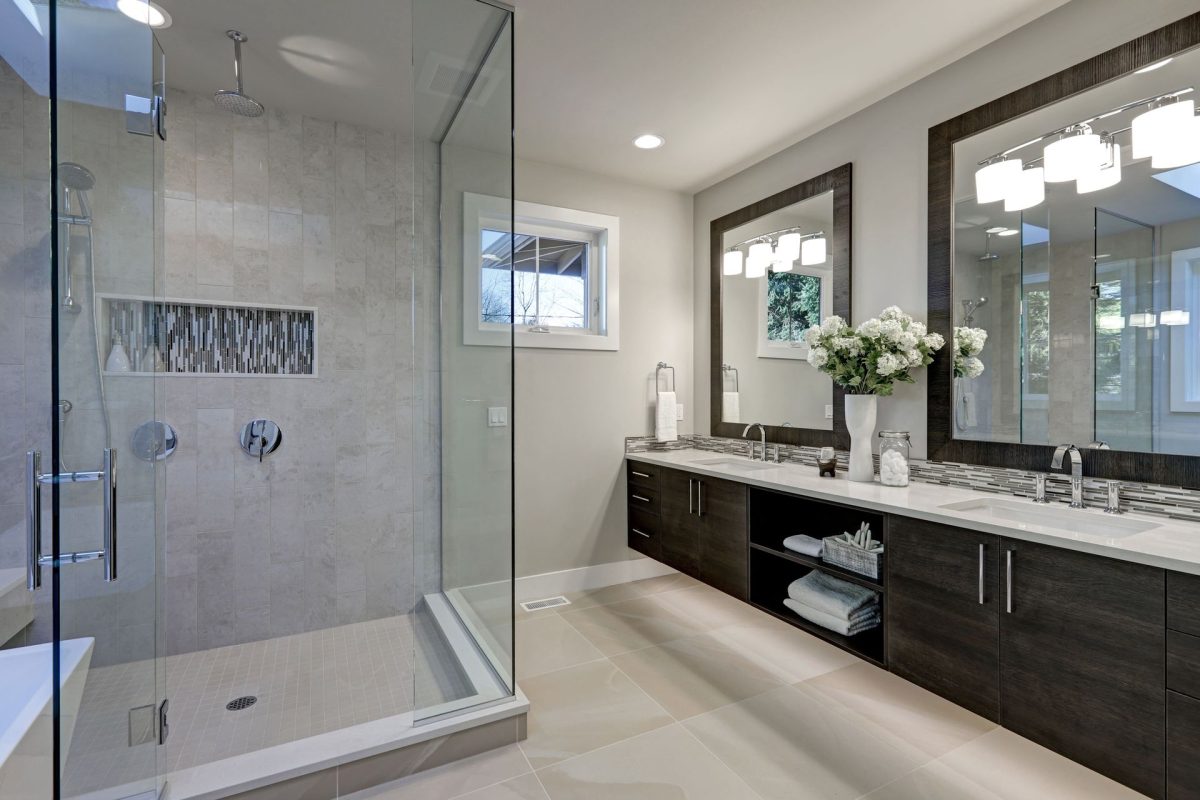
A tub can serve a practical purpose, but it may not always fit the way you use your bathroom. If you rarely take baths, have difficulty stepping over a high tub wall, or simply want a more open appearance, converting the space into a shower can make the room feel more functional. Before beginning a tub to shower remodel, however, it helps to understand what the project may involve from planning through completion.
A successful conversion involves more than removing the existing tub and installing a shower. Plumbing, waterproofing, layout, accessibility, materials, and finishing details can all affect the project. Understanding these considerations ahead of time can help you make informed choices and prepare for the work involved.
Consider Your Bathroom Layout
The existing bathtub provides a natural starting point for the project because the new shower can often occupy the same general area. Keeping the conversion within the existing footprint may help limit unnecessary changes, but the exact possibilities depend on the bathroom’s construction and plumbing arrangement.
Before committing to a design, consider how the shower will interact with nearby fixtures, walls, doors, and storage. A tub to shower remodel may create an opportunity to improve the way the space flows, especially if the existing arrangement feels cramped or difficult to navigate.
The shower opening also deserves attention. A wider entry can make the finished space feel more open and may be easier to use. The placement of the shower door, controls, shelves, and other features should be considered together so that everything works comfortably within the available space.
Evaluate Plumbing Requirements
Although the new shower may occupy the same location as the existing tub, that does not necessarily mean the plumbing can remain completely unchanged. A tub and shower use water differently, and the drain and supply arrangements may require adjustments during the conversion.
A professional can evaluate the existing plumbing before work begins and determine what modifications may be necessary. Addressing these requirements during planning can help prevent unexpected complications after demolition has already started.
The location of the shower valve is another important consideration. Controls should be positioned where they are convenient to reach without requiring you to stand directly beneath the showerhead while the water temperature is being adjusted.
When planning a tub to shower remodel, it is also worth discussing the drain, showerhead, handheld sprayer, and other plumbing components together. Coordinating these elements can help create a finished shower that is both comfortable and practical.
Choose Materials Carefully
The materials selected for a shower affect its appearance, maintenance needs, and long-term performance. Wall surrounds, tile, shower pans, doors, fixtures, and shelving are available in a wide range of styles, so it helps to think about how the selections will work together before making individual decisions.
Water exposure makes material selection especially important. Surfaces should be appropriate for a wet environment and installed correctly to help protect the structure behind the finished walls. Attractive materials are only part of the equation; proper installation is equally important.
A tub to shower remodel can also change the visual character of the bathroom. Light-colored surfaces may contribute to a brighter appearance, while contrasting materials can create a more defined focal point. The best selections depend on the look you want and the amount of maintenance you are comfortable handling.
It can be helpful to consider practical details alongside aesthetics. Think about how easily each surface can be cleaned, whether grout maintenance is desirable, and how the selected finishes will coordinate with existing flooring, cabinetry, lighting, and hardware.
Plan For Waterproofing
Waterproofing is one of the most important parts of any shower conversion because moisture must be managed behind the visible surfaces as well as on them. A finished shower may look excellent, but the underlying construction also needs to be properly prepared for repeated exposure to water.
The shower walls, floor, seams, corners, and penetrations around plumbing fixtures all deserve careful attention. Proper waterproofing helps reduce the risk of moisture reaching areas where it could contribute to damage or other problems.
During a tub to shower remodel, the transition from the existing bathtub area to the new shower configuration should be planned with waterproofing in mind. This is particularly important when changes are made to the floor, walls, or plumbing.
Ask about the waterproofing approach before work begins. Understanding what materials and installation methods will be used can give you a clearer picture of how the shower will be protected beneath its finished surfaces.
Review Accessibility Features
One reason homeowners choose a tub-to-shower conversion is to create a bathroom that is easier to enter and use. Removing the need to step over a bathtub wall can make the shower more accessible, but additional features may provide even greater convenience.
A low-threshold or curbless entry, strategically placed grab bars, a handheld showerhead, and a built-in or mounted seat are examples of features that may be worth considering. Not every bathroom needs all of these options, so the right combination depends on your household and how you expect to use the shower.
Accessibility can also be considered as part of the overall design rather than treated as an afterthought. Features can be incorporated in ways that complement the bathroom’s style while adding practical benefits.
If you are planning a tub to shower remodel for long-term use, think beyond your immediate needs. A comfortable shower entry and thoughtfully positioned fixtures may continue to be useful as your preferences or mobility needs change.
Understand The Project Costs
The total cost of a bathroom conversion can vary considerably because every project has different requirements. Materials, labor, plumbing modifications, demolition, waterproofing, fixtures, doors, and other selections can all influence the final investment.
According to Zillow, upscale bathroom renovations can recoup an average of 56.2% of their cost through return on investment.
This potential return can be another factor to consider when deciding which improvements will provide lasting value for your home.
The value of the project can also depend on the quality and functionality of the improvements you choose. Durable materials, practical features, and a thoughtfully designed shower can make the investment more meaningful for both everyday use and future resale considerations.
When discussing a tub to shower remodel, ask for a clear explanation of what the proposed work includes. Understanding the scope can make it easier to compare options and determine which design features matter most to you.
It is also useful to separate essential improvements from optional upgrades. A carefully planned project can prioritize the features that improve function and comfort while allowing you to make deliberate choices about decorative additions.
A tub-to-shower conversion can transform how a bathroom looks and functions, but careful preparation is what helps the finished space meet your expectations. Consider the layout, plumbing, materials, waterproofing, accessibility, and overall project scope before work begins. Taking time to address these details can make the remodeling process more predictable and help you create a shower that fits the way your household actually uses the bathroom.
Ready to replace an outdated tub with a shower designed around your needs? Contact Custom Bath Solutions to start planning your bathroom transformation today. Discuss your goals, explore available options, and create a more comfortable, accessible, and functional bathroom that works better for your daily routine. We look forward to working with you!
